
For decades, an endless stream of well-marketed diets and new-fangled exercise programs has been promising an easy path to a leaner, trimmer you. Every year, it seems, we are enticed simply to drop all “bad carbs” or to purchase the latest piece of home gym equipment and good health and happiness will surely be ours. […]
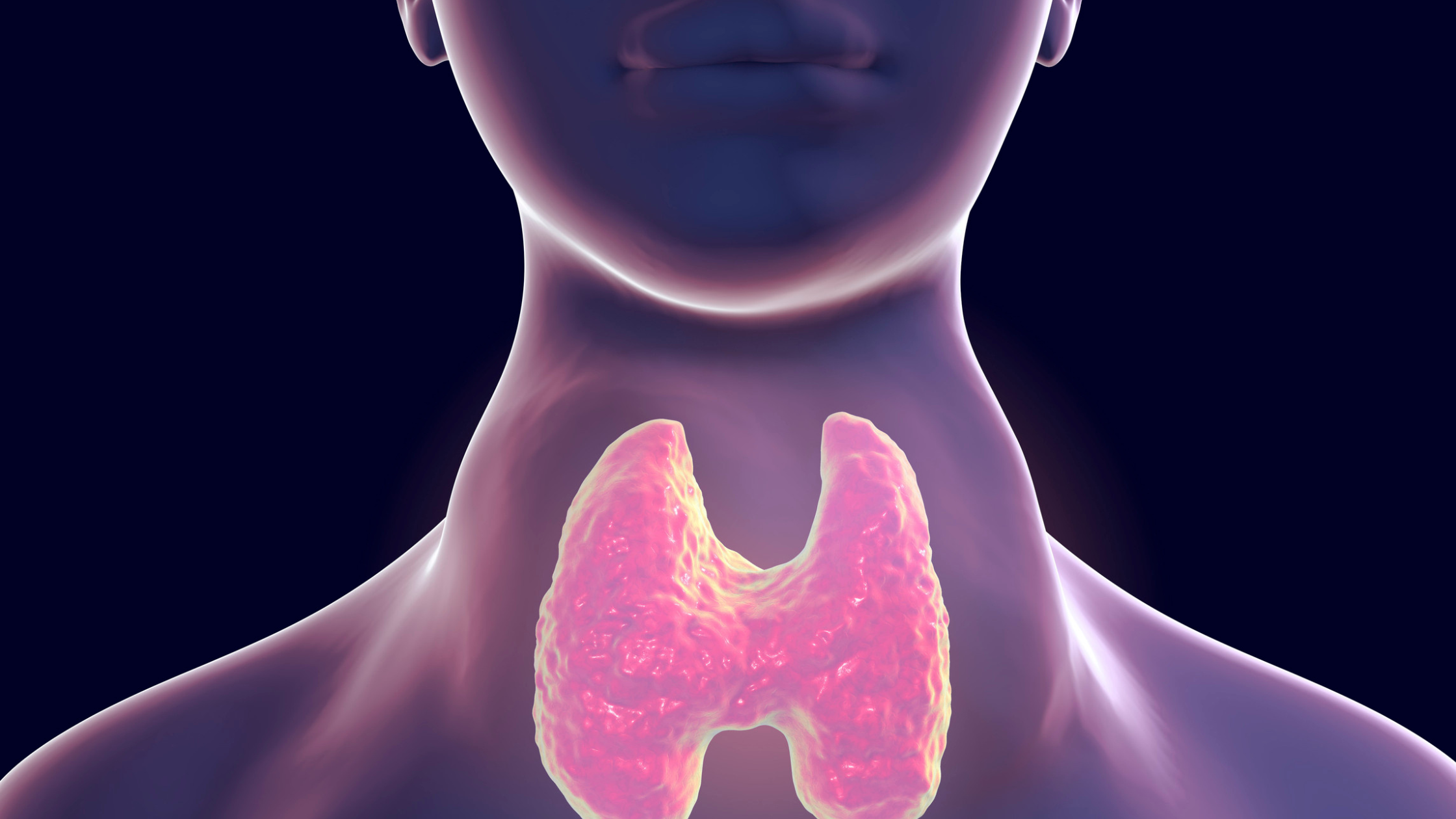
Check off all that apply to you and total your score. Dry skin and/or hair Acne Hair loss Brittle hair and/or nails PMS, infertility, long menstrual cycle (longer than 30 days) or irregular periods Fibrocystic breast disease Abnormal lactation Fatigue Lack of sweating, feeling cold or cold hands […]

By Natasha Turner Do this quick inflammation test to see if you’re a hotbed of inflammation. Check all that apply to you and total your score. Anything greater than 11 should be a warning to change some of your lifestyle. Sagging, thinning skin or wrinkling Spider veins or varicose veins Cellulite Eczema, […]
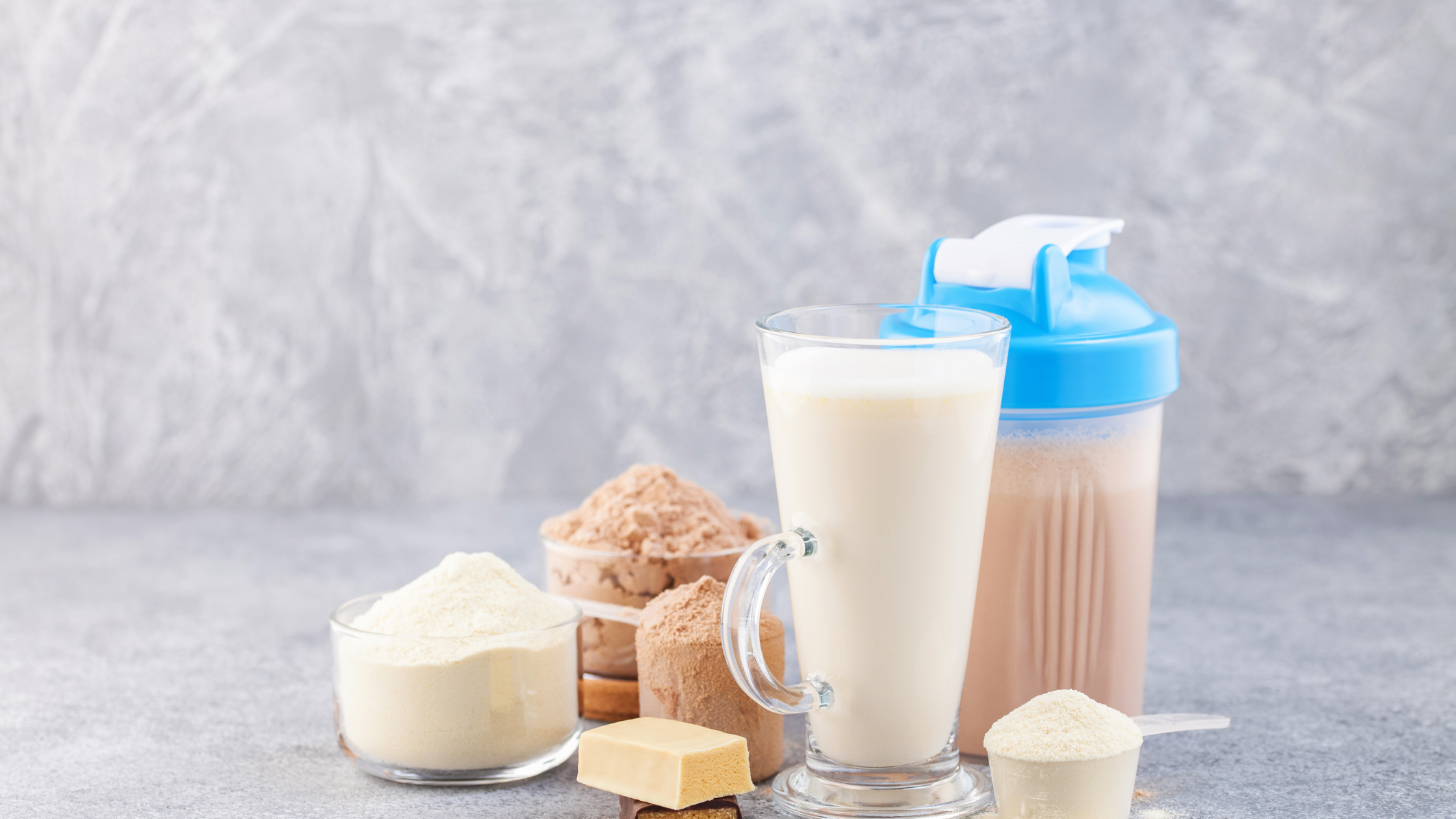
The benefits of whey aren’t just for those of us in our golden years. A study in the Journal of Applied Physiology (September 2009) highlighted the benefits of whey on muscle growth when compared to the consumption of soy or casein after an exercise session in young men. Whey was by far the most effective in increasing […]

Fitting in some nature, or vitamin N, may just be the secret to unlocking a better mood, faster metabolism, and stronger memory. Research has shown that early-morning cardio in a fasted state can burn up to 20 percent more calories; however, hitting the grass versus the treadmill provides several further benefits that may just surprise […]
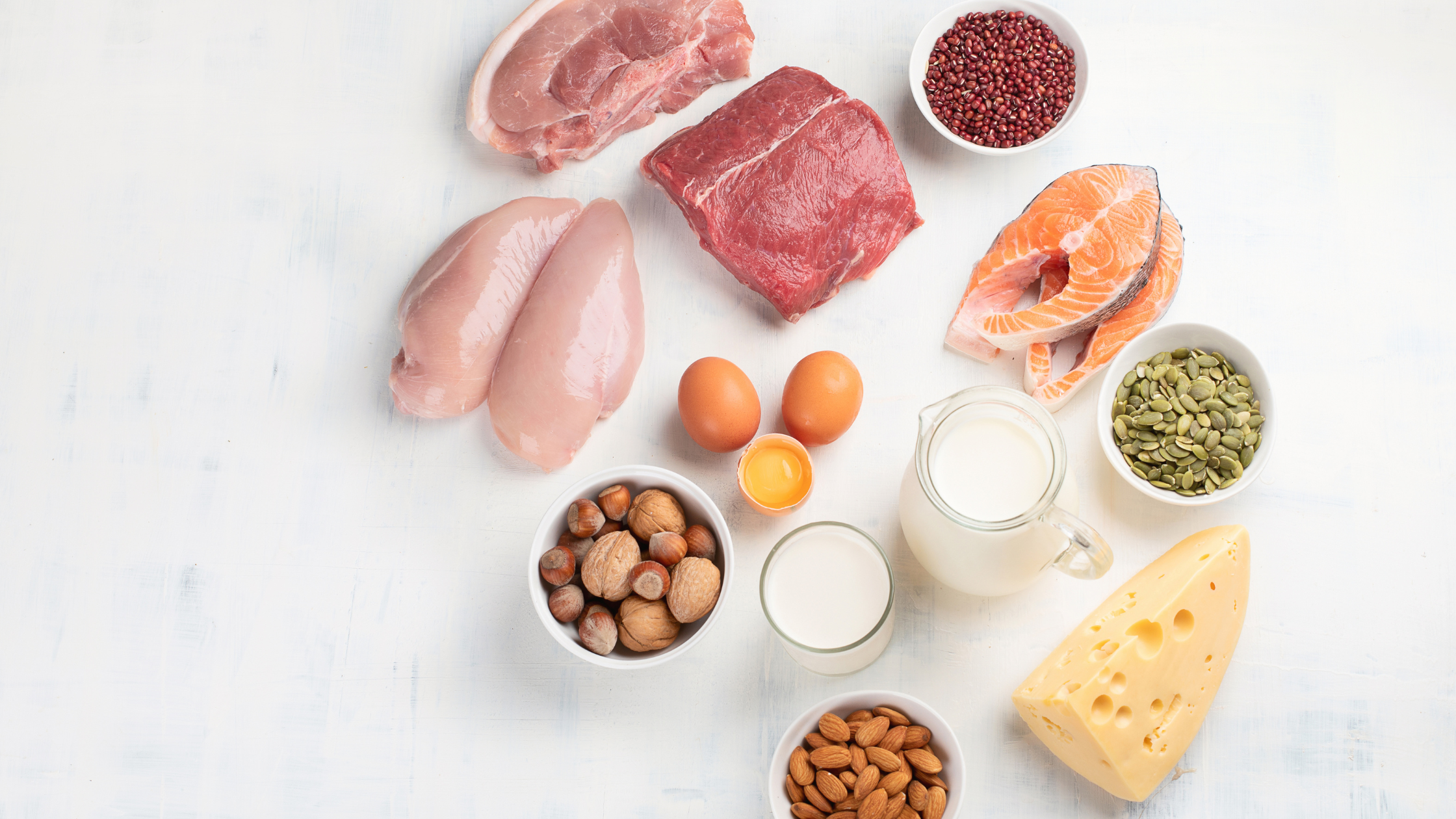
Although some differences in the rate of muscle loss in adults can be explained by fixed factors, such as gender, much of the remaining variation is unexplained and has led to increasing interest in the influence of lifestyle, particularly in the effects of modifiable factors such as physical activity and diet. According to Clinical Interventions in Aging (May […]

Clearly what we do is important as well as how we actually do it. But the order in which we may choose to do certain activities or things, also can make a real big difference. So, keeping this in mind, here are my top suggestions for your day, evening, or week of love and happiness this Valentine’s Day. 1. Amuse bouche! Let’s get […]

Longevity is a trendy phrase coined by health enthusiasts that refers to the quality of life as we age. We can all agree that no one wants to spend their later years on earth confined to bed. Living as long as possible, therefore, really isn’t the goal. Instead, those who are interested in promoting a longer health span wish to […]

We all aspire to live long and healthy lives and there are amazing examples of people doing just this in the Blue Zones. I have been reading about the Blue Zones for many years and recently watched the documentary series called Live to 100 – Secrets of the Blue Zones on Netflix. It is so […]
Did you know that our bodies’ ability to produce new collagen declines, and existing collagen begins to break down, as we age? The loss of collagen affects skin, joints, and bones and may also lead to increased digestive problems, weakened immune systems, and increased risk of chronic illness. Good news! Science has shown that collagen […]
You may have seen the news over the past week about the recent (2023) study showing that a daily multivitamin is beneficial for people over 60 and can improve their memory. Read more about the study here. We came up with this Top Ten list when researching formulas for the Clear Medicine High Potency Multivitamin Clear […]
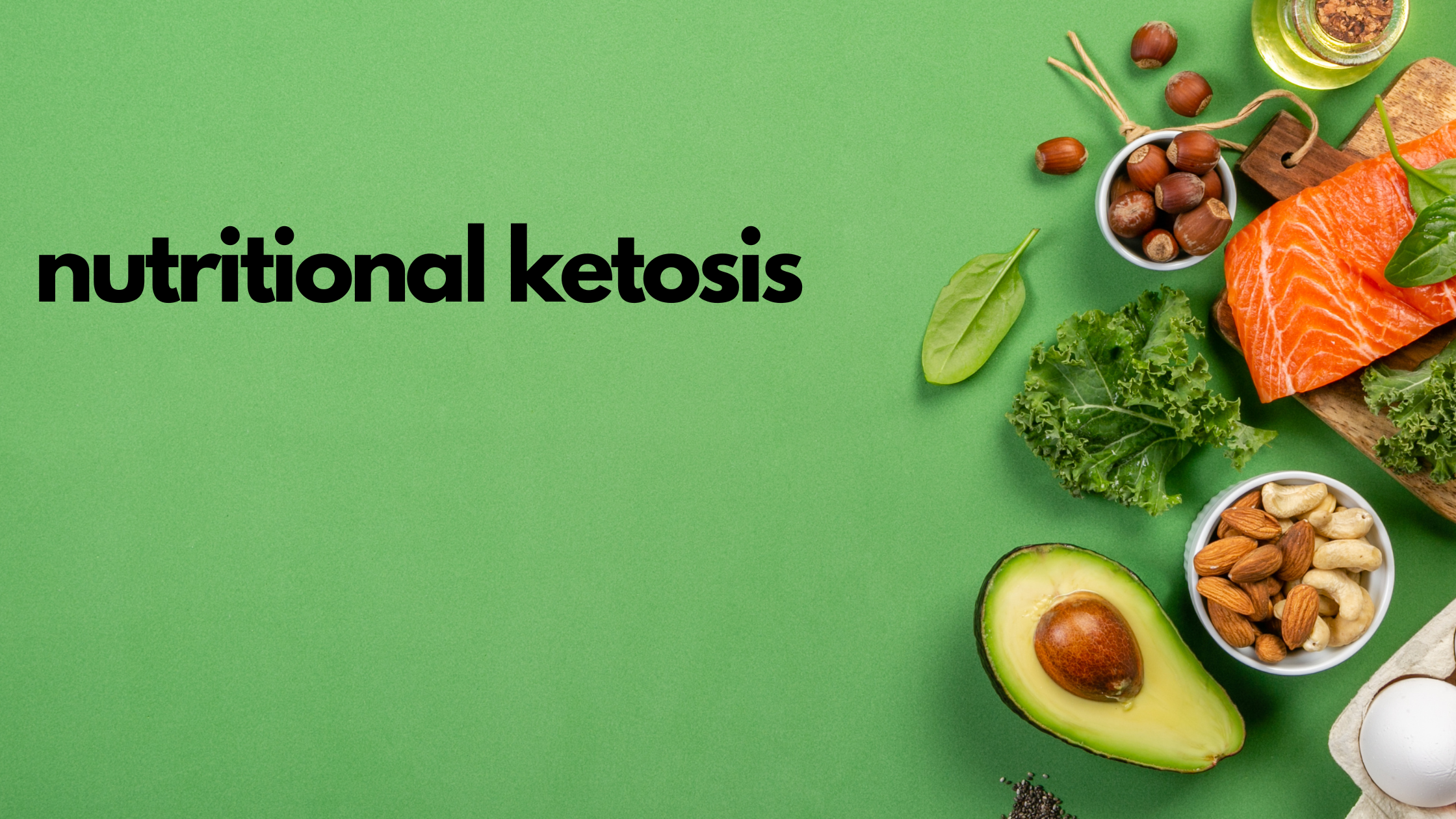
It is not necessary to eat a high-fat, moderate-protein, restricted-carb diet (one that includes only green vegetables) to get into ketosis. In fact, we can eat less or move more to get into ketosis—which is simply the state in which your body is burning fat, and you can test your ketones each morning with urinary Ketostix to ensure you are in ketosis. I suggest […]

Generally, cortisol follows a natural healthy pattern of release that looks like this: It’s highest first thing in the morning, which allows you to get up, feel energized, and get going with your day. It remains elevated, gradually declining until the evening, which allows you to have the ability to respond and adapt to any perceived […]

Written by New York Times Bestselling Author Natasha Turner If you can’t walk 60 to 75 minutes, which may be the amount of required time to be allotted for a fat-burning session, there are tricks you can use to up the work-load output and still achieve the results you are looking for with less time on the clock. I […]
New York Times Bestselling Author Natasha Turner Stress packs on the pounds and it does it by increasing your appetite for comfort foods, the potential to store fat from consumed carbs, suppressing your thyroid hormone (the master of your metabolic rate), and disrupting your sleep – an established cause of weight gain. What’s more, according to […]

From celebrity-branded creams to bottles that promise miracle results, the media is a constant reminder of how fragile our skin is. However for anyone suffering from an inflammatory skin condition such as eczema, acne or rosacea knows that not all skin creams can prevent the boatload of stress on our bodies, resulting in a lack of confidence and negative effects. When […]

By New York Times Bestselling Author of The Hormone Diet Natasha Turner From Oxidative Medicine and Cellular Longevity (January 2017), researchers found that 12 weeks of yoga slowed cellular aging as well as lowering inflammation and insulin and significantly decreasing cortisol. The study also found higher levels of BDNF (a neuroprotective compound) after the yoga program, suggesting that yoga could have […]

by Natasha Turner Go All-in for Apple Cider Vinegar (ACV)! According to a 2005 study in the European Journal of Clinical Nutrition, vinegar blunts blood sugar, and insulin increases and creates the sensation of fullness after a high-carbohydrate meal. The study, conducted at the Department of Nutrition at Arizona State University, found improved glucose and insulin profiles following meals […]

by Natasha Turner Attempting to boost the cells of your immune system is especially complicated because there are so many different kinds of cells in the immune system that respond to so many different microbes in so many ways. Which cells should you boost, and to what number? So far, scientists debate the answer. What is known is that […]
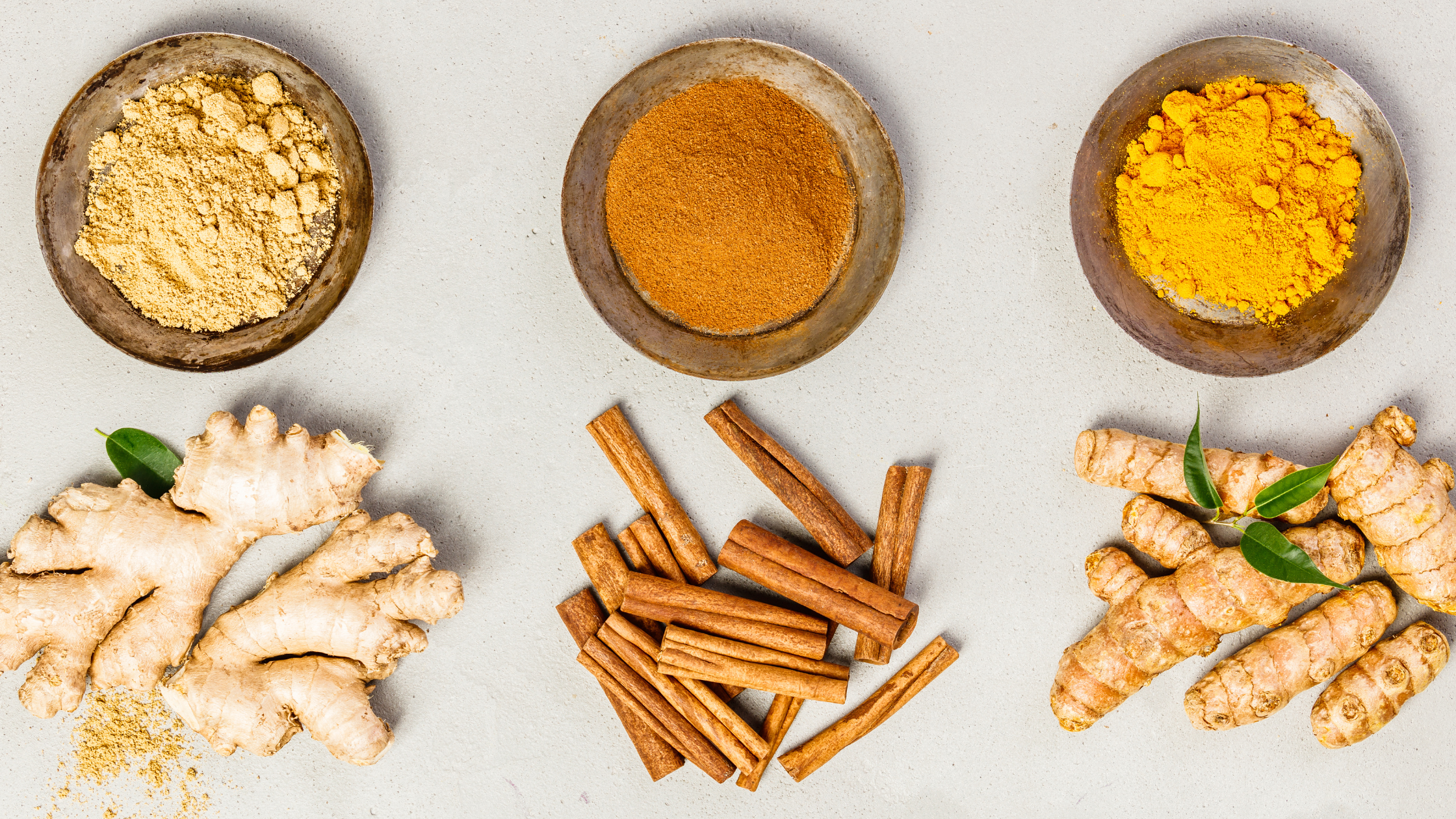
By Natasha Turner 1. Mix Things Up with Various Spices It turns out that your favourite spice mix not only helps your food taste better, it can also reduce your waistline. According to the Journal of Medicinal Food (2005), a food seasoning/spice mixture improves glucose metabolism and lipid profile in fructose-fed, induced-hyperinsulinemic, rats. Treatment with these spices significantly reduced plasma […]
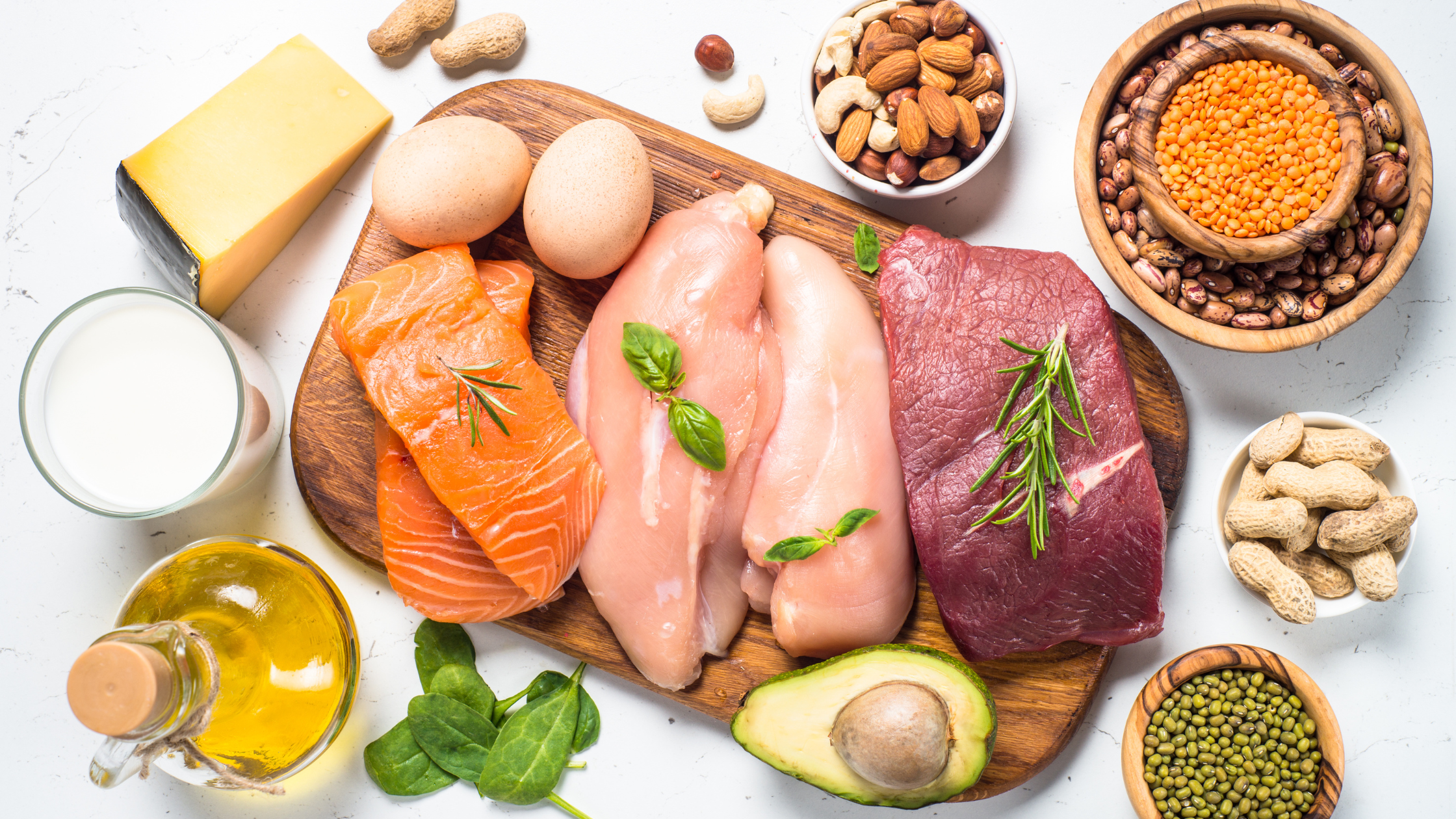
(We recommend you print this!) While some diets load up on protein and others dictate protein sources, it can be hard to know what to consume while managing weight, maintaining strength, or during fat loss. The current recommended daily allowance for protein is 0.8 grams per kilogram of body weight, and this has not changed in over 70 […]
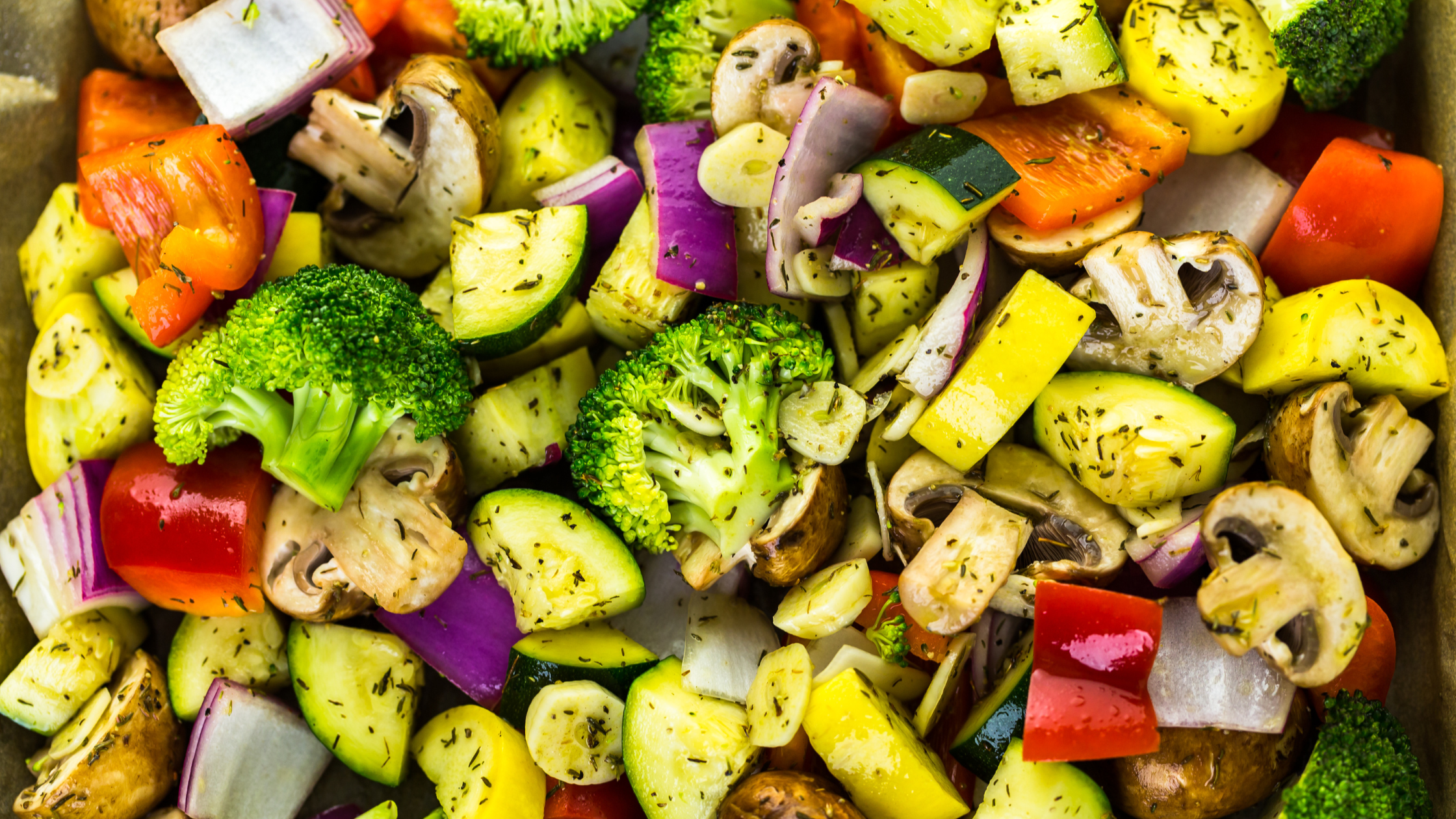
Here are some ideas for getting in more cooked veggies (which can be consumed hot or cold). Cooked veggies add volume to meals without added calories. They also are high in fibre, which is beneficial as most of us are not consuming even close to the daily requirements of fibre. 1. Increase your veggie and […]

Suggested Essentials For a Successful Fall Re-set Summer is almost over and most of us are now thinking about a Fall re-set. Stocking the pantry doesn’t have to be an overwhelming prospect. Here’s a list of the essential items you need to start to plan for dietary success this Fall and healthy foods to stock up on when you’re […]

Creatine is a commonly used dietary supplement with a reputation for improving exercise performance and increasing muscle mass, and studies have shown that it delivers on its promise. According to Amino Acids (January 2010), creatine supplements play a therapeutic role in several diseases characterized by wasting (atrophic) conditions, weakness, and metabolic disturbances (such as in the muscle, bone, […]
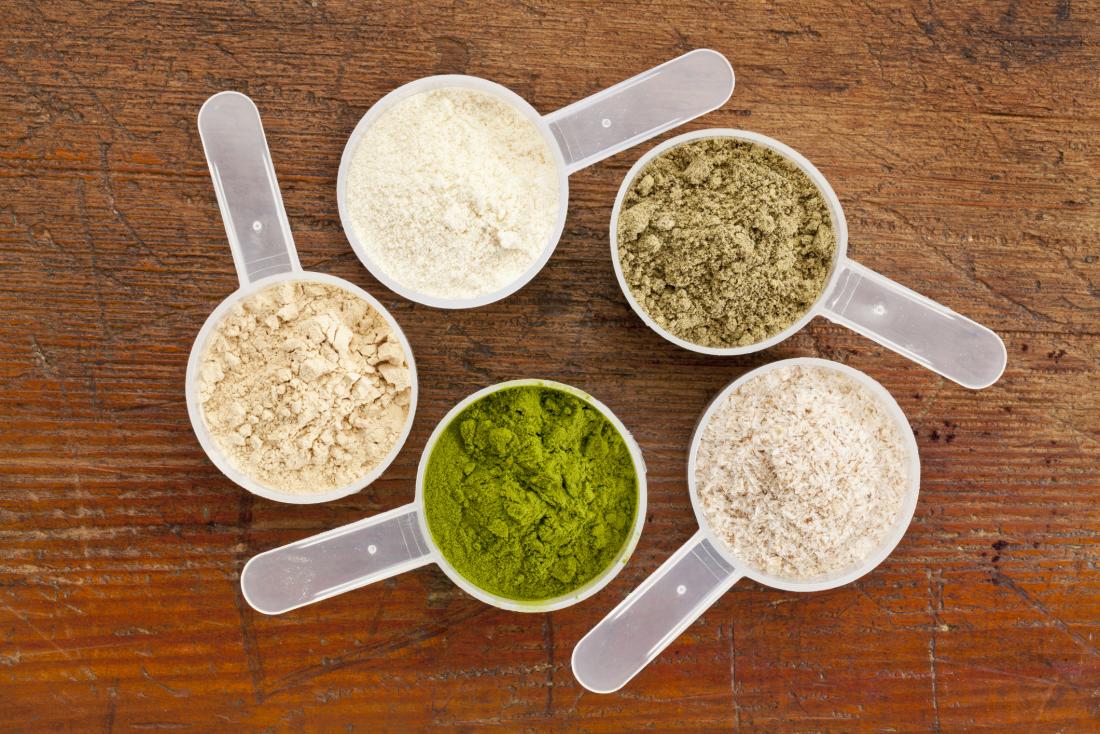
Protein supplements are the best way to ensure that your daily protein requirements are met and that you avoid making the wrong picks when hunger strikes while you’re on the go. One of the most common questions I receive from customers is “Is this product good for me?” In this blog, I will provide all […]
By Natasha Turner If you’re not getting enough shut-eye, you’re certainly not alone. Since 1999, the National Sleep Foundation has conducted annual, nationwide polls on sleep habits and attitudes toward sleep. The first of these polls revealed that only 35% of adults sleep the minimum eight hours a night recommended by sleep experts. Fast forward […]

Over 80,000 industrial chemicals have been developed in the past 75 years, including heavy metals, solvents, phthalates, polychlorinated bisphenols and organophosphates. I find this number mind- blowing! Surely the knowledge of this statistic makes gentle support of our kidneys, liver and digestive system – the three main organs that support the removal of these harmful […]
1. Multivitamin or a Meal Replacement with a Multivitamin – You may need a multivitamin to meet your basic nutritional needs and to support the metabolic pathways. You can choose a high-potency multivitamin like Clear Essentials and take two capsules twice a day with food. Other recommended brands include Designs for Health, Metagenics or Xymogen. […]

Natasha Turner My loyal readers and patients know my number one workout passion is lifting weights. However, years of weightlifting and running, especially without proper stretching, can shorten tendons and cause stiffness, misalignment, and joint and back pain. With its full spectrum of poses, yoga can bring the body back into its natural alignment, level […]

Natasha Turner If sleep is an issue for you, the likely cause is low melatonin. Read the list below and count how many of the issues pertain to you: to bedtime TOTAL it up and Warning score: > 3 Melatonin is released from the pineal gland, and it regulates your 24-hour cycle. It normally increases […]

According to Critical Reviews in Food Science and Nutrition, coffee is the leading worldwide beverage after water and its trade exceeds US $10 billion worldwide. Debates regarding its benefits and risks still exist as reliable evidence is becoming available supporting its health-promoting potential; however, some researchers have argued about the association of coffee consumption with […]

by Natasha Turner In general, most of us recognize our stress levels exceed what is widely considered to be healthy. And yet, although we understand the importance of healthy behaviors like managing stress levels, eating right, and getting enough sleep and exercise, challenges practicing these healthy behaviors are far too common. More often than not […]
1. It’s the ultimate chill pill. Well, for one thing, a hot drink on a cold day is extremely soothing. However, green tea also has L-theanine, an amino acid that works by increasing the production of GABA in the brain. Like the effects of meditation, it also stimulates alpha brainwaves naturally associated with deep states […]

We know that driving a car without gas in the tank is futile. Sure, you may last on fumes for a few miles, but in the end, it will be very difficult to get to your destination. Your thyroid is no different when it comes to weight loss. According to the Canadian Thyroid Association, an […]

If you always feel tense or anxious, your body remains in a constant state of heightened arousal. Constantly overproducing cortisol and adrenalin day after day because of ongoing stress, multi-tasking, skipping meals, excessive calorie restriction, insufficient carbohydrate intake, overconsumption of protein, lack of sleep or too much coffee will lead to adrenal gland burnout. In […]

Fitting in some nature, or vitamin N, may just be the secret to unlocking a better mood, faster metabolism and stronger memory. Poet and philosopher Henry David Thoreau said, “Why, nature is but another name for health.” Research has shown that early-morning cardio in a fasted state can burn up to 20 percent more calories; […]

Through a complicated network of hormonal interactions, prolonged stress results in a raging appetite, metabolic decline, loads of belly fat, and a loss of hard-won, metabolically active muscle tissue. In other words, stress makes us soft, flabby, and much older than we truly are! According to Mary Dallman, a professor of physiology at the University […]

By New York Times Bestselling Author and Founder of Clear Medicine Natasha Turner Generally, cortisol follows a natural healthy pattern of release that looks like this: It’s highest first thing in the morning, which allows you to get up, feel energized and get going with your day. It remains elevated, gradually declining until the evening, […]

A new imaging study from UC Davis Health has found that people who exercise have better mental fitness. This study found that intense exercise increases levels of two common neurotransmitters —glutamate and gamma-aminobutyric acid, or GABA — that are responsible for chemicalmessaging within the brain. Published in The Journal of Neuroscience (Feb 2016), the finding […]
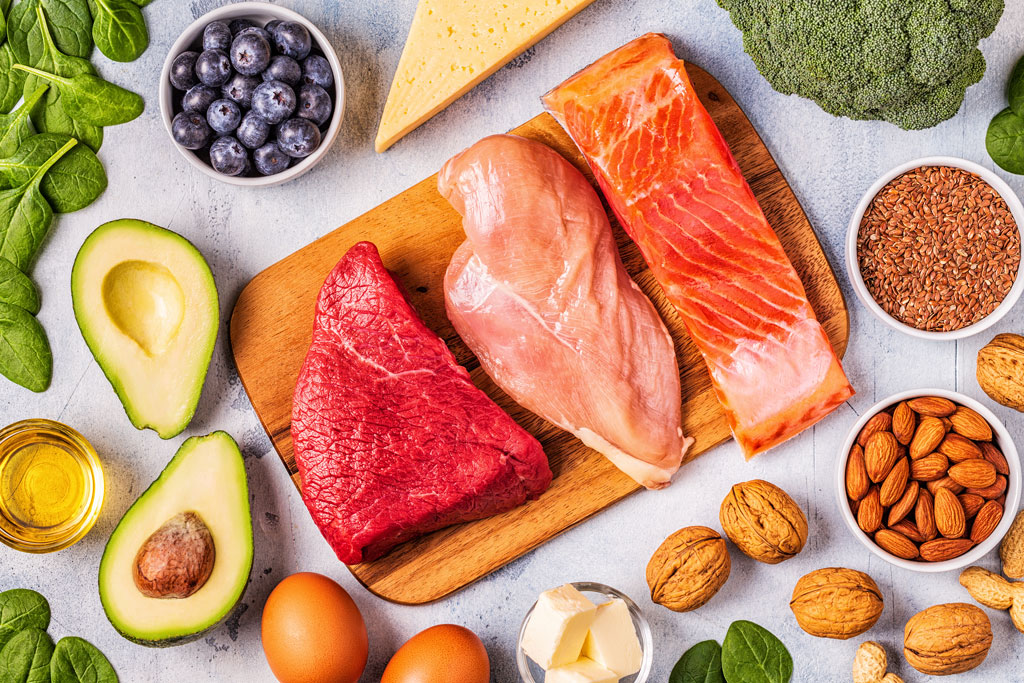
By New York Times Bestselling Author and Founder of Clear Medicine Natasha Turner You are what you eat, especially when it comes to how your body embraces protein. Proteinsare essential to every part of the human body. Our bones, muscles, skin, and nearly every vitalorgan or tissue contain them. How much we consume, what type, […]

When your body is healthy, it releases hormones like cortisol to help liberate glucose to maintain the functions of our brain, organs and cells when blood sugar levels decline between meals, or overnight during sleep. When cortisol is depleted, however, glucose levels tend to become too low. Ultimately this causes lightheadedness, shakiness and irritability typically […]

Ragweed pollen allergy is a major cause of seasonal allergies that you probably feel the effects of ragweed pollen in the late summer and fall. Ragweed starts pollinating as early as July in some areas, but most commonly, it appears in August and peaks in mid-September. Ragweed pollen can stick around as late as November, […]
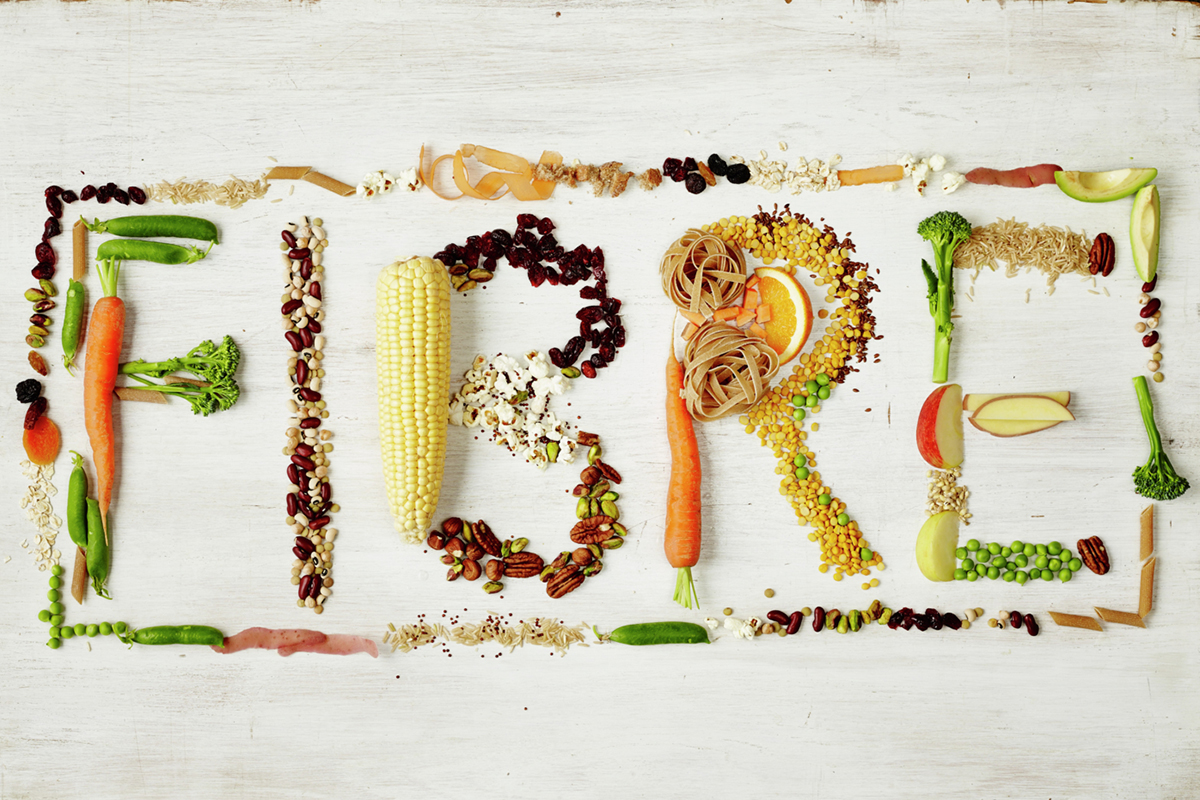
by Natasha Turner It’s all about your fibre intake. In general, most adults tend to take in an average of only 16 grams per day, while optimal daily recommendations are closer to 30 to 35 grams. There are two types of fibre—soluble and insoluble—and your body needs both for optimal health, digestion and elimination. Soluble […]

written by Natasha Turner This is the type of training I have been doing lately – five days a week but you can start with two. You do the circuit twice, reps 15 to 20 on each exercise, rest when you need to rest, and finish with some ab exercises. Exercises: complete two rounds 15 […]
By New York Times Bestselling Author, Natasha Turner Cutting your fat intake – it does sound contrary to current diet trends doesn’t it? But! When you aren’t moving much during the day and you wish to lose fat or maintain your weight, a great place to start is by limiting caloric intake from fats. This […]

We thought it would be a good time to chat about mood and share this excerpt from Natasha Turner’s bestselling book The Hormone Diet which you can purchase on Amazon (Canada) or USA Amazon. We also have included a mood quiz at the end to figure out if you are low in serotonin, GABA or […]
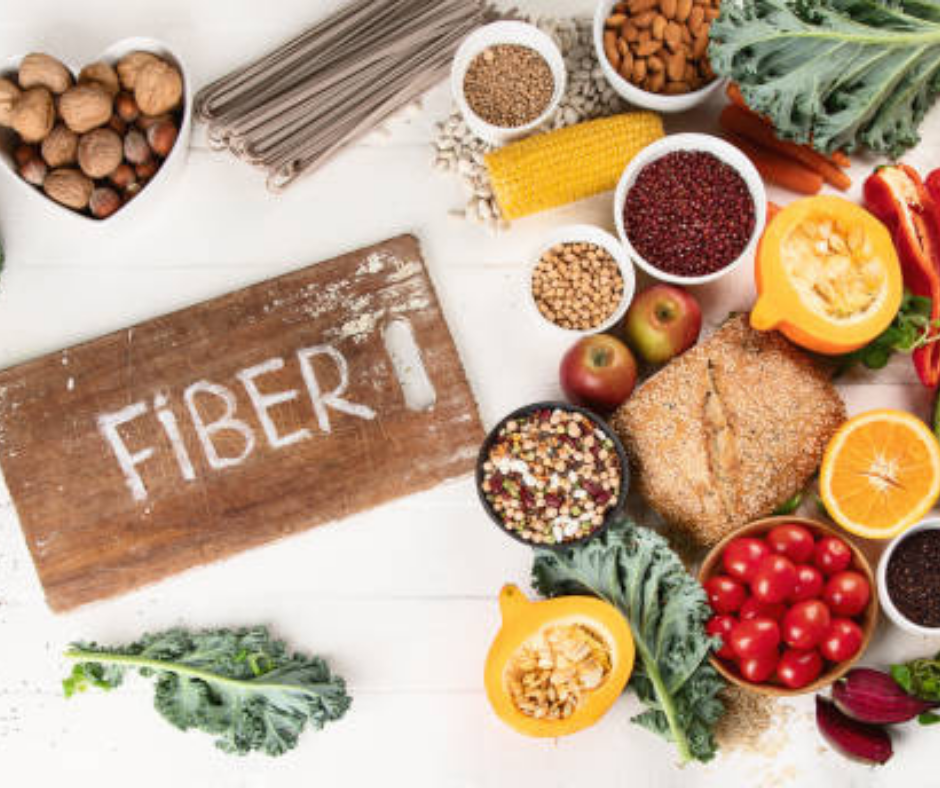
Read key 6 here Fiber consumption and bowel function are essential for maintaining a healthy, happy liver. The liver, you will recall, is the major detoxification and fat-burning organ in the body through a complex set of biochemical pathways. The liver pumps excess fat and waste products into the small intestines through bile. If your […]
Read Key 5 here Antibiotics can disrupt our healthy bacterial balance by killing off our beneficial bacteria together with the bad, infection-causing bacteria, leaving the perfect environment for yeast and other harmful bacteria to grow and flourish. Harmful bacterial or yeast can also grow with use of the birth control pill, immune compromise, steroid medications, […]
Read Key 4 here Several nerves connect the nervous system of our digestive tract to the central nervoussystem (CNS) and, vice versa, the CNS to our GI tract. Through these cross connections, sensory information can be provided to the GI tract and CNS, and the CNS can affect our GI function. But remember what happens […]

Read Key 3 The competency of the entire wall of the digestive tract is dependent upon healthy food choices, bacterial balance, sufficient enzymes and acid levels and inflammation control. An imbalance in any one of these important factors may result in an irritation of the digestive tract wall. When that happens, tiny holes may form, […]
KEY 3: Re-establish Healthy Bacterial Balance These days we are constantly bombarded by commercial messages urging us to fight germs and rid ourselves of bacteria. But in the right places and amounts, bacteria are actually very valuable to our health and wellness. These beneficial bacteria, also called probiotics, are found mostly in our digestive tract. […]

For some people spring means renewal, but for allergy sufferers it means sniffling, sneezing and watery eyes. Allergies — with symptoms ranging from sinus congestion and hay fever to asthma, dermatitis or hives — are a sign of impaired immune function. According to the Asthma Society of Canada, one in five Canadians suffer from respiratory allergies like […]

KEY 2: Reduce Bloating and Aid Nutrient Absorption by Replacing Enzymes or Acid Levels Commonly known as stomach acid, hydrochloric acid (HCL) is essential for proper functioning of your digestive system because it activates digestive enzymes that break down your food for absorption. Many vitamins and minerals need stomach acid for optimal absorption, including magnesium, […]

Our liver, kidneys and intestines are the body’s natural cleaning team. They all work together to package toxic compounds for removal. Over time, the function of these organs, especially the liver, can be compromised by illness, poor nutrition, stress, pollution or toxic lifestyle habits (e.g., drugs, alcohol or tobacco). When the clean-up process is not […]

This is the beginning of a seven part series on digestive health. The digestive system is a set of organs responsible for food breakdown, nutrient absorption and elimination of waste. This intricate system is critical for hormonal balance because it controls its own functions via hormonal signals. Amazingly, over 30 hormone genes are currently known […]

By Natasha Turner New York Times Bestselling Author of The Supercharged Hormone Diet and The Hormone Diet Most of us recognize our stress levels exceed what is widely considered to be healthy. And yet, although we understand the importance of healthy behaviors like making attempts to manage it, by eating right, getting enough sleep and […]

Since we were established in 2008, our experience has shown us that our patients obtain the most benefit when using supplements, protein powders or meal replacements in conjunction with nutritional and naturopathic advice rooted in The Hormone Diet approach. If you have not yet had the pleasure of an appointment at Clear Medicine (in person […]

Being super thin is very different from being healthy. The distinction lies in understanding body composition – the ratio of lean to fatty tissue that makes up your total body weight. Your body is comprised of many tissues, including fat, bones, muscles, tendons, ligaments, organs and also plenty of water. Healthy body composition is determined […]
Protein powders can provide an excellent source of protein in our diets. If you are a conscious eater attempting to balance healthy carbs, proteins and fats at each meal, you are probably aware that finding lean sources of protein can sometimes be challenging. This is especially true if you are a vegan, a vegetarian or […]
Rule #1: Spoil Your Dinner Remember the plant from Little Shop of Horrors, with its demands to “Feed me”? The hormone ghrelin is your body’s version of Audrey II, only it gets your attention with stomach growls instead of musical numbers. Once you’ve started eating, it takes about 30 minutes for ghrelin levels to fall […]

Indoor gyms may still be closed in Ontario but you don’t need anything fancy for this exercise prescription. In fact just getting outdoors with a pair of running shoes and water bottle is enough! The effects of exercise on your hormones and your weight will vary depending on the type of activities you choose (e.g., […]
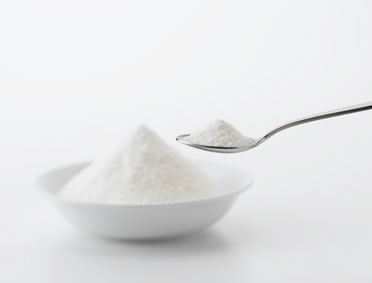
What’s a pre-workout stack you ask? This is a combination of ingredients (supplements and powders) to help with your workouts. They can provide you with more energy, focus and better performance. This combo can also be taken to increase energy even if not working out. Our hope is you are so energized that you will […]
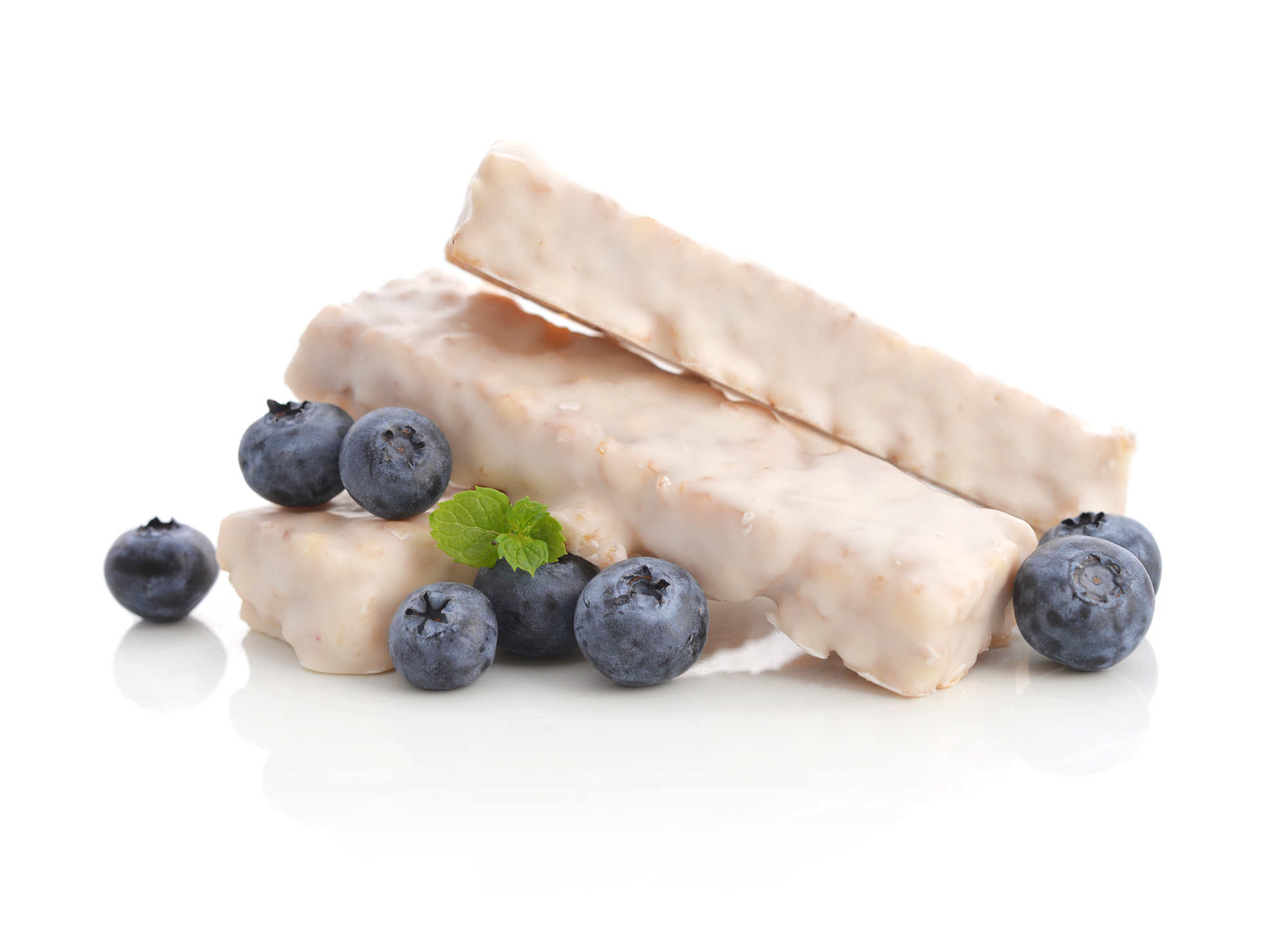
When determining if a protein bar is good for you, you need to consider the protein source, the amount of protein and what other nutrients it’s paired with. Many protein bar options are far too low in protein and fibre, and high in carbohydrate or fat. So, just any protein bar doesn’t make the cut […]
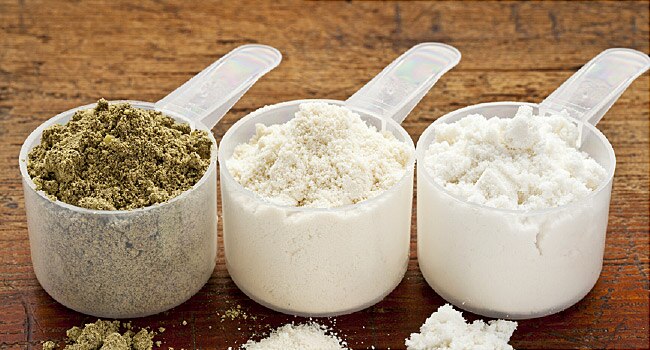
If you are a conscious eater attempting to balance the right carbs, sufficient protein and healthy fats daily, you are probably aware that finding lean sources of protein can be challenging. This is especially true if you are a vegan, a vegetarian, or a pesco-lacto-ovo vegetarian (which includes fish, dairy, and eggs). Protein is essential […]

A protein supplement is comprised primarily of protein only and is the best suited for use in smoothie recipes or in a shaker cup as an on-the-go option that does not require blending. Since most smoothie recipes have other ingredients as the source of fat and carbohydrates such as avocado or nut butters and fruit […]
Low Stomach Acid Could Be The Culprit An estimated 30% of North Americans have low acidity. Natural aging, a poor diet, chronic use of certain medications, and past infection with the Helicobacter pylori bacteria can impair the stomach’s ability to produce acid. Stomach acid, technically known as hydrochloric acid, is essential for proper functioning of […]

March 11/21 It has been a year since the World Health Organization declared an official world pandemic. Life has changed A LOT and we are living in a new normal. Stress continues to be a huge component of this new normal for obvious reasons. There are ways you can diminish stress and anxiety and clearly […]
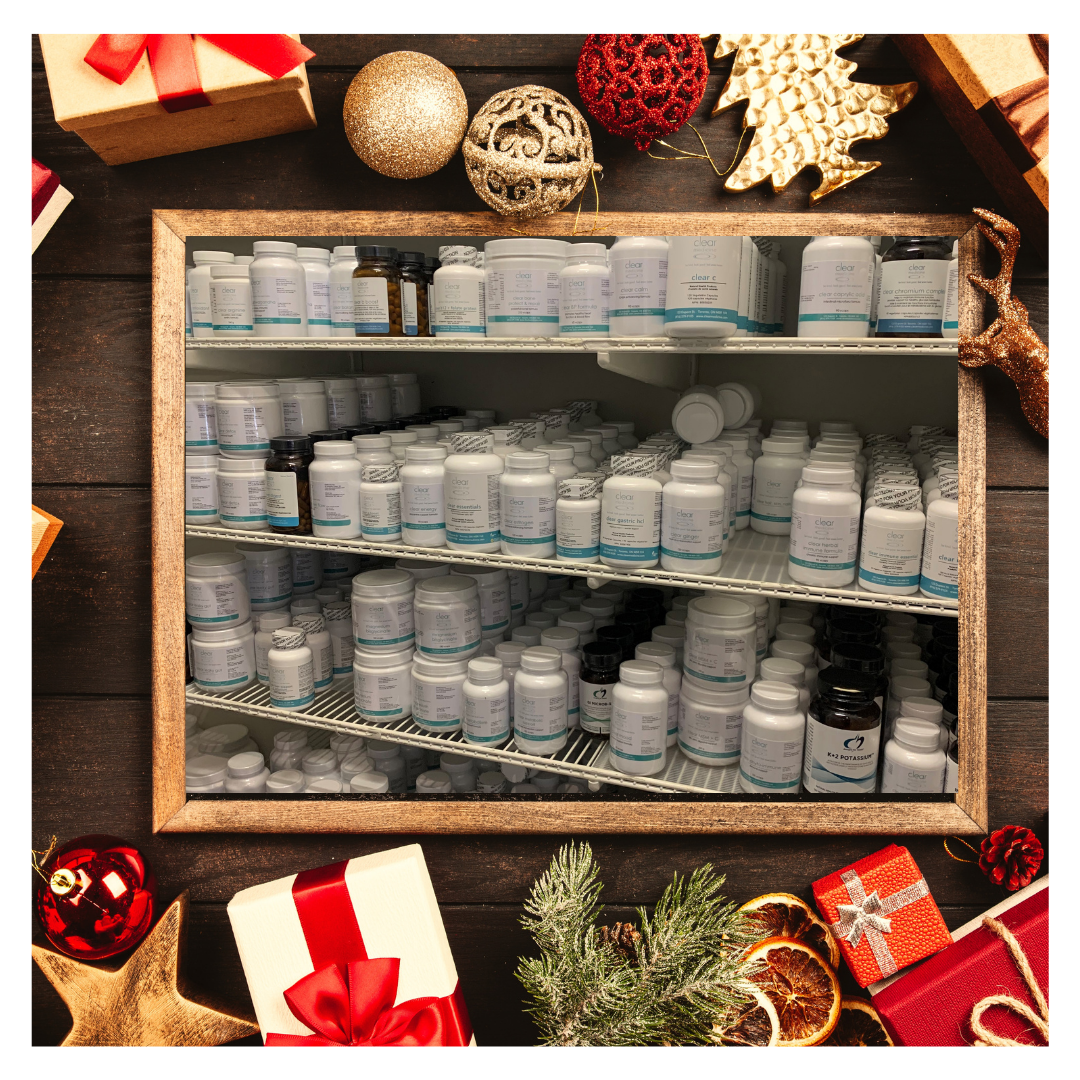
These 12 fantastic products that are flying off the shelves lately…we wanted to share them with you! 1.Trying to maintain a healthy lifestyle and keep protein intake in the best range for you? Look no further than these meals on the go with Dream Protein. 2. Wanting a meal on the go option that is […]

by Allison Madigan – holistic nutritionist 1 in 5 Canadians will deal with a mental health issue by time they are 40. 5% of Canadians suffer from anxiety 8% suffer from major depression 63% of people say they suffer from stress Both stress and anxiety are on the rise with COVID-19 and there are predictions […]
By Allison Madigan D.H.N Why do I need to supplement? is a question I am asked all the time. I am going to share with you today some of the reasons why and hopefully this background will help you understand why your food isn’t enough even if it does contain the necessary nutrients. 1. Soil […]

For decades, the conventional wisdom has been that most people gain around five pounds between that first forkful of Thanksgiving stuffing to the greasy egg breakfast on New Year’s Day. Most sources say if you do gain weight over the holidays, it is probably just about two pounds of fat. But keep in mind this is an […]

Blog post by Allison Madigan So many struggle from anxiety these days – truth be told I am sure we all do. I thought I would share my top 10 tips to help manage anxiety. Sleep – Getting enough good quality sleep is key to managing anxiety. When we aren’t getting enough good sleep we can’t […]

TEN BENEFITS OF CLEAR METABOLIC SUPPORT Does your metabolism need a boost? Would you like better body composition? Glowing skin? To have a clearer mind and memory? Improve blood sugar and cholesterol? Glucose Metabolic Support is designed to restore the vitamin and mineral deficiencies commonly associated with blood sugar imbalance and excess insulin. It also […]
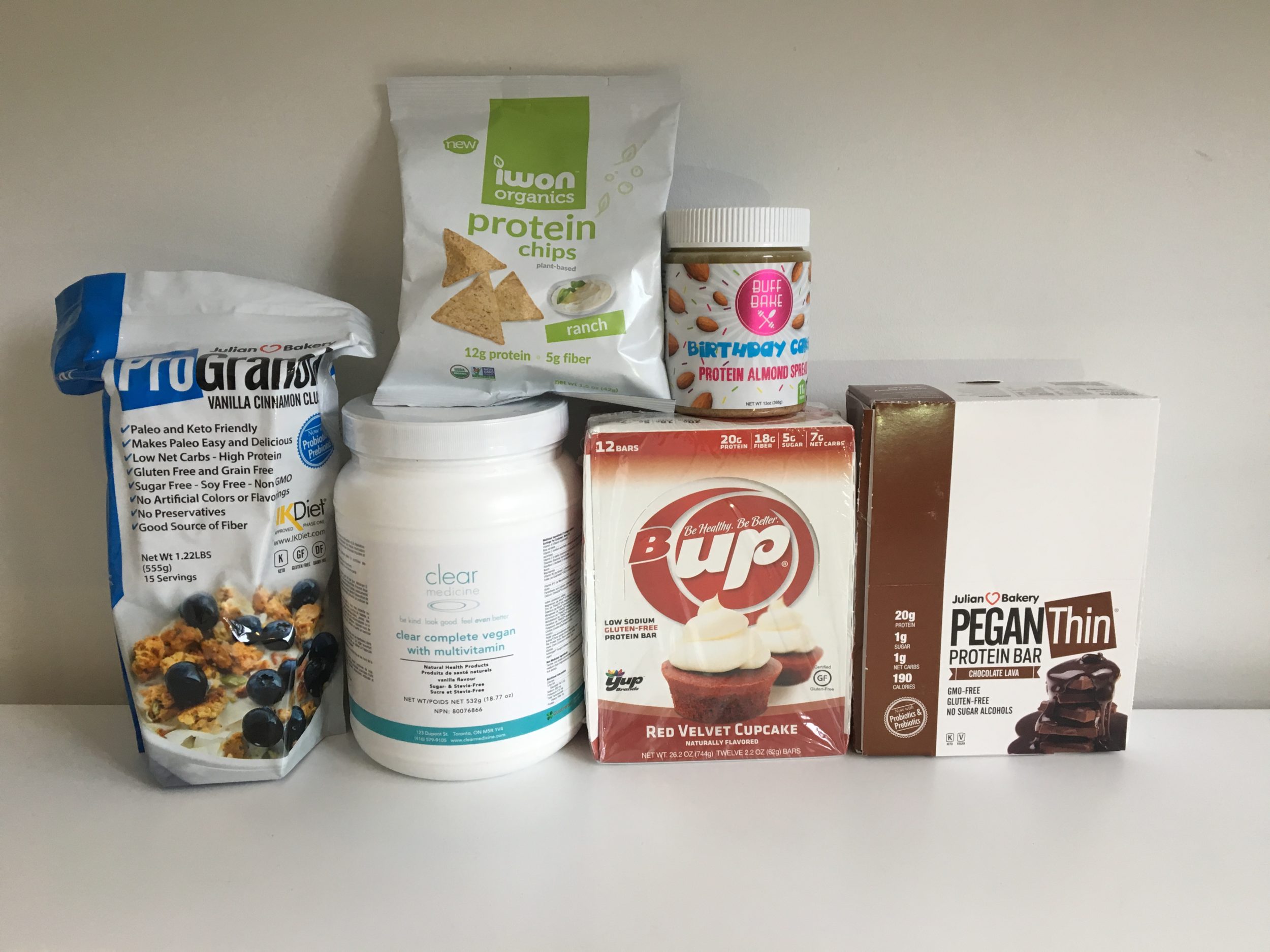
These healthy options have been hand-picked by our team – we always are looking for low carb, low fat, protein rich options. Melatonin • Each bar contains 20 grams of whey protein, 20- grams of hypo-allergenic fiber • Gluten free, all natural, free of sucralose • Low net carbs – between 2 to 4 grams […]
Sixty years after melatonin was isolated and with more than 23,000 published studies showing the many functions of this hormone secreted by the pineal gland, it’s time for us to talk about the safest guidelines for us. In an article published in the journal Endocrine Reviews, Dec 2018, Cipolla Neto, the principal investigator for a project […]
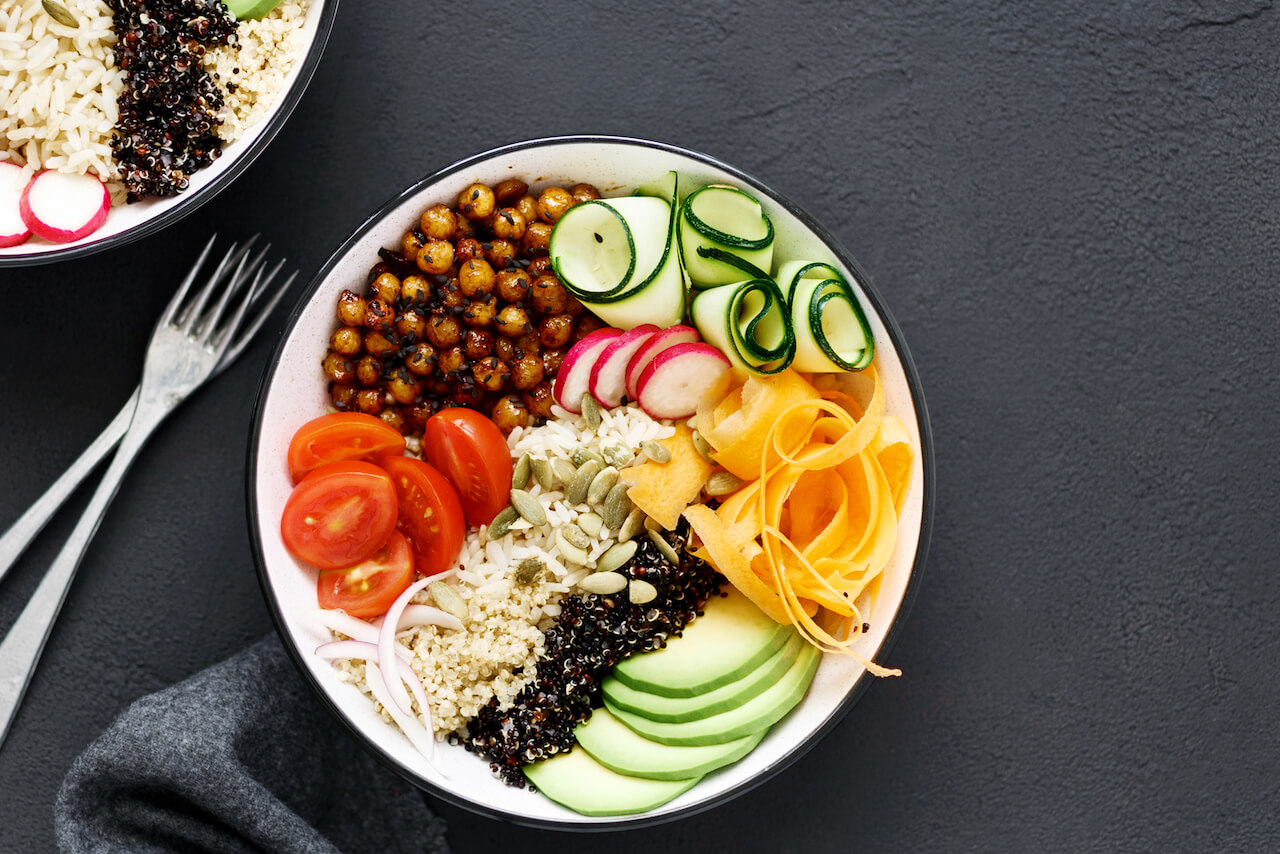
The new Canada Food Guide was released last week and there have been many significant changes made. The new Canada Food Guide was released last week and there have been many significant changes made. The “rainbow” is gone, serving sizes no longer and no mention of food groups. There is an endorsement to eat more […]

When the temperature plummets outdoors most of us want to be in hibernation mode! Relaxing indoors by a fire with a nice cup of tea and a book is a lovely treat BUT don’t spend all your downtime seated. We need to keep moving even during the coldest days – so – have a brisk […]

If your nutrition and exercise plans have been taken over by busy schedules or you just generally feel you are in the need of a slim down then these tips might help you achieve success! As you know, any diet program starts in the kitchen before it can even progress to the gym. However, there […]

As the weather gets colder it often is combined with the onset of cold and/or flu symptoms. As naturopathic doctors, we hope to prevent this with natural ways to prevent cold and flu. Getting a cold should not turn out to be a disastrous issue, and can even be the sign of a healthy immune […]

There seems to be an age-old battle of children verse fruits and vegetables. As a parent or grandparent, you know how incredibly important nutrition is during childhood. Our attitudes as adults directly impact our children. We know that parents are the biggest influence when it comes to diet and studies show that this continues through to adolescence […]
Did you know that in 120 days you have a whole new lining of cells in your digestive system? Think about giving yourself a four-month gut health reset with probiotics. We don’t usually think of bacteria as a good thing, but when it comes to your stomach, they’re essential. In the right places and amounts, strains […]
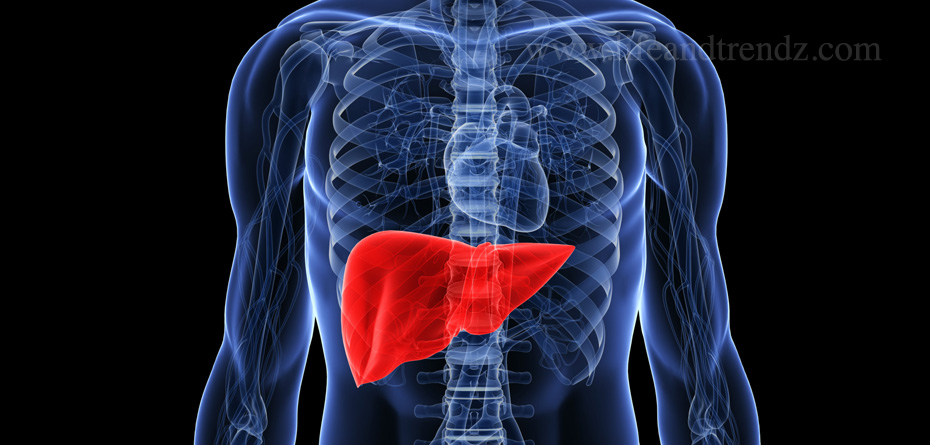
Everything you eat, breathe or absorb through your skin ends up in your bloodstream and eventually passes through your liver. Your liver is your primary detoxifier and fat burning organ, so keeping it healthy is pretty important! Our liver operates like a waste treatment plant. It takes everything we put into our bodies – or that […]
September is fast approaching and the thought of it might make your head spin. For many of us September is a very busy time – back to school, back to typical work days after lounging by the lake or vacationing over the summer. If you were lucky enough this summer to have a break and […]
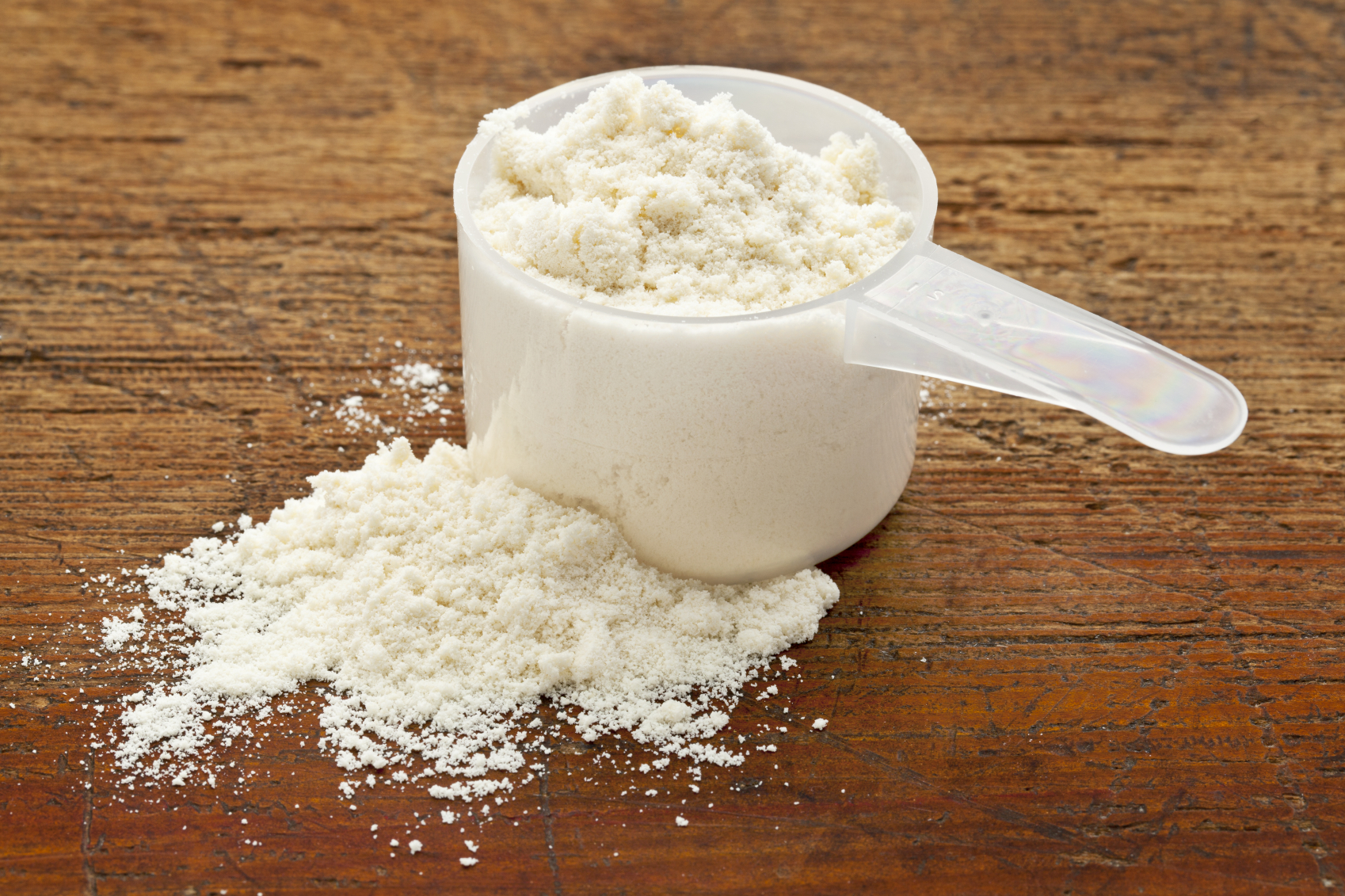
We love protein powder at Clear Medicine especially as a lot of our patients and customers find it is very difficult to fulfill their daily protein needs. Protein powders can provide an excellent source of protein in our diets and they’re convenient as well. If you are a conscious eater attempting to balance carbs, proteins […]
